Pop Up Event Services is easier to manage when venue access windows are checked before freight leaves storage.

Tampa / Florida
Venue-led trade show display planning for the bay-area event calendar.
info@tradeshowdisplaystampa.comStart the display briefEvent Types
Pop UP Event Services Trade Show Display Support
Pop-up events in Tampa demand precise planning to capitalize on the city's dynamic venue landscape, where facilities like the 600,000-square-foot Tampa Convention Center and the versatile Florida State Fairgrounds offer ideal backdrops for temporary activations that blend high visibility with operational efficiency.
Tampa's event ecosystem supports pop-up formats through its waterfront convention core and expansive fairgrounds, enabling organizers to deploy short-term experiences ranging from brand showcases to interactive consumer engagements without long-term commitments. The Tampa Convention Center's 200,000-square-foot display hall, equipped with electric, water, and compressed-air hook-ups, along with two show offices and four cafes, provides a robust infrastructure for pop-ups that require rapid setup and teardown amid large-scale programs. Meanwhile, the Florida State Fairgrounds present options from 5,000-square-foot indoor halls to 87,000-square-foot outdoor areas, accommodating pop-ups tied to public festivals or standalone activations in an expo-friendly corridor east of downtown.
Florida's right-to-work status facilitates flexible staffing approaches for these transient events, though planners must align early with venue-managed services and show organizers to navigate house utilities and operational protocols. Venues across downtown's Water Street district, Westshore's airport proximity, and the east-side fairgrounds cluster demand tailored logistics, including booth configurations up to 1,000 10'x10' spaces at the convention center or equestrian rings repurposed for experiential pop-ups. Successful execution hinges on coordinating these elements to deliver immersive pop-ups that resonate in Tampa's convention-driven market.
Saddlebrook Resort's 95,000 square feet of flexible space north of the city further expands possibilities for resort-style pop-ups, while special venues like the Straz Center for the Performing Arts and Tampa Museum of Art offer cultural settings for receptions and off-site extensions, ensuring pop-ups integrate smoothly with broader conference or expo schedules.
- Tampa
- Event Types
- Display Planning
- Show-Site Support
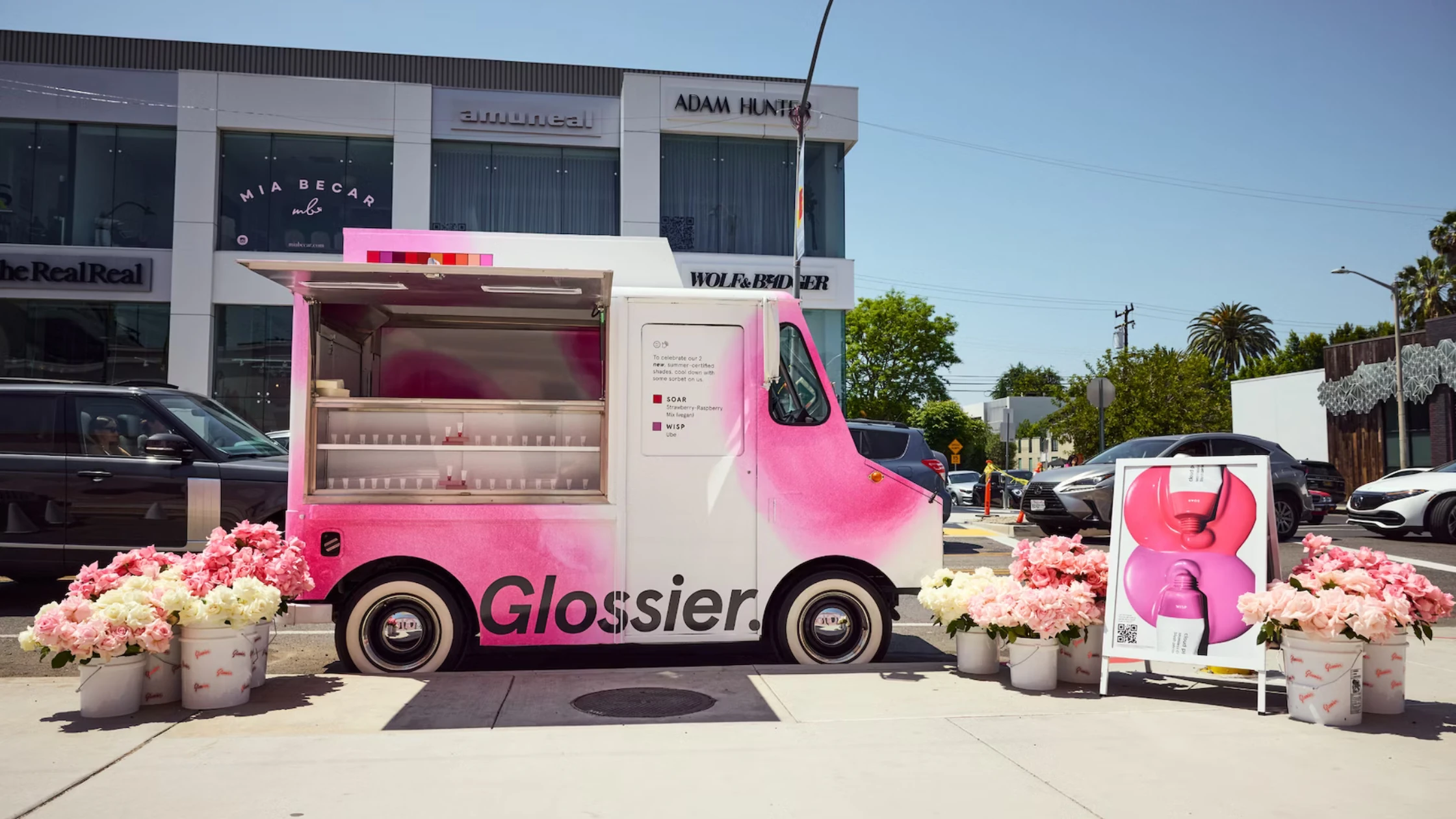
Pop Up Event Services reads more coherently when graphics, hardware, AV, and furniture are scoped together.
During Tampa show weeks, Pop Up Event Services often changes labor pacing, staging space, and the amount of floor support the booth needs.
Part
Core Planning Pillars for Tampa Pop-Up Events
Align venue utilities like electric, water, and air hook-ups at the Tampa Convention Center to support pop-up tech and interactive elements.
Select from Florida State Fairgrounds' range of 5,000 to 87,000-square-foot spaces for scalable indoor-outdoor pop-up footprints.
Account for Florida's right-to-work labor environment while confirming show-specific rules through exhibitor manuals.
Position pop-ups within downtown's convention core, Westshore hotels, or east Tampa fairgrounds for optimal attendee access.
Manage quick-turn timelines by pre-coordinating with venue event rentals, catering, and promoter portals.
Incorporate metrics such as 30-foot ceiling heights and 36,000-square-foot largest rooms at key facilities for dimensional planning.
Extend pop-ups to adjacent hospitality like Seminole Hard Rock's 800 guestrooms for sponsor entertainment tie-ins.
Part
Tampa Convention Center as Premier Pop-Up Venue
The Tampa Convention Center stands as a cornerstone for pop-up events in Tampa, offering 600,000 square feet of total meeting and event space, including a dedicated 200,000-square-foot display hall capable of hosting up to 1,000 10'x10' booths. This waterfront facility's infrastructure, featuring electric, water, and compressed-air hook-ups directly in the hall, along with two show offices and four integrated cafes, enables pop-up organizers to execute high-energy activations with minimal external dependencies. Planners coordinate these elements through Visit Tampa Bay's meeting planners hub, which provides RFP support and facilities mapping to secure prime positioning amid conventions or standalone shows.
Pop-ups here thrive on the hall's 30-foot ceiling height and flexible configurations, supporting structures from modular displays to immersive installations that draw crowds during peak Tampa Bay programs. Early engagement with the venue's utility systems ensures smooth power distribution for lighting, AV, and interactive demos, while the 3,600 theater-capacity and 2,080 banquet setups in adjacent spaces allow pop-ups to expand into receptions or keynotes. This setup demands precise load-in planning via riverfront access points, aligning with the convention core's high-density hotel inventory along Water Street and Channel District.
200,000 sq ft display hall with booth capacity for 1,000 units
On-floor utilities including electric, water, compressed air
30 ft ceilings accommodating vertical pop-up elements
Proximity to downtown Tampa, Harbour Island, Ybor City
Part
Florida State Fairgrounds for Expansive Pop-Ups
Positioned in east Tampa's expo corridor, the Florida State Fairgrounds deliver unmatched versatility for pop-up events through venues like the Expo Hall, TECO Arena, Entertainment Hall, equestrian rings, and outdoor spaces spanning 5,000 to 87,000 square feet. This campus suits large-footprint pop-ups such as street festivals, product demos, or hybrid consumer activations, with public navigation directing planners to Event Rentals, Venues, Catering, and FAQ sections for streamlined approvals. The fairgrounds' scale supports quick-deploy formats that leverage Brandon and Riverview's logistics access without downtown congestion.
Pop-up strategies here emphasize modular setups across indoor-outdoor transitions, coordinating through the promoter portal to integrate catering and venue services while respecting house protocols. The 87,000-square-foot largest area enables expansive layouts for vehicular displays or multi-zone experiences, ideal for programs spilling from Plant City or Ybor City audiences. Florida's right-to-work framework aids staffing these open-air pop-ups, provided exhibitor manuals confirm labor scopes amid fairgrounds-managed workflows.
Indoor halls, arenas, and rings from 5,000 sq ft minimum
87,000 sq ft maximum for outdoor event areas
Event Rentals and Catering coordination required
Expo corridor serving east Tampa logistics
Part
Hotel and Resort Integration for Pop-Ups
Seminole Hard Rock Hotel & Casino Tampa enhances pop-up programming on the east side with 800 guestrooms, suites, three pools, a spa, restaurants, and 245,000 square feet of gaming space, positioning it as a hospitality anchor for nightlife-infused activations. Planners pair convention-core pop-ups with buyouts here, using Visit Tampa Bay listings to map room blocks and sponsor entertainment extensions that amplify daytime displays. The resort's AAA Four Diamond status supports upscale pop-ups blending gaming, dining, and events for conference delegates.
North of Tampa, Saddlebrook Resort's over 95,000 square feet of flexible event space caters to pop-ups requiring resort amenities, with public meetings sections outlining planning support minus rigid labor mandates. In Westshore and South Tampa clusters, airport-adjacent hotels facilitate quick-turn pop-ups for sales teams or roadshow previews, coordinating ballroom transitions without assuming unrestricted labor. These venues demand early utility confirmations, aligning pop-up footprints with sleeping room inventories and theater capacities.
800 guestrooms at Seminole Hard Rock for extensions
95,000+ sq ft at Saddlebrook Resort
Westshore airport belt for overflow activations
Rocky Point and South Tampa hotel synergies
Part
Special Venues Elevating Pop-Up Experiences
The Straz Center for the Performing Arts in downtown Tampa serves pop-up extensions with its Broadway, opera, and theater programming, ideal for galas, receptions, or entertainment-driven off-sites near the convention center. Visit Tampa Bay highlights it as Tampa Bay's premier performing arts hub, where pop-ups incorporate comedy, dance, or music tie-ins for sponsor events, leveraging cultural prestige without dedicated display space. Planners navigate these through facilities search tools, ensuring smooth integration with Water Street hospitality.
Tampa Museum of Art's downtown location and collections from Greek antiquities to contemporary works position it for refined pop-ups like donor receptions or executive dinners adjacent to convention activities. This special venue complements display hall activations with intimate, culture-forward spaces, requiring coordination via meeting planners resources to align with Harbour Island or Davis Islands access. Pop-ups here focus on reception-style formats, respecting venue operations while enhancing overall program narratives.
Straz Center for gala and keynote receptions
Tampa Museum of Art for cultural off-sites
Downtown positioning near convention core
Ybor City and Hyde Park adjacency
Part
Labor Coordination in Tampa's Event Market
Florida's right-to-work state constitution underpins pop-up labor planning, allowing open-market staffing without mandatory union membership, though Tampa venues enforce house services and show rules. At the Tampa Convention Center, display hall utilities and on-floor functions necessitate early exhibitor manual reviews to delineate scopes between venue teams and external contractors. Fairgrounds workflows route through Event Rentals and Catering, signaling managed protocols that pop-up organizers must verify for setup crews.
Hotel properties like Saddlebrook and Seminole Hard Rock publish space facts without union stipulations, enabling flexible deployments when confirmed with organizers. Westshore conferences and east Tampa expos demand similar diligence, coordinating labor amid airport load-ins or fairgrounds portals. This environment supports pop-up agility, provided planners document venue approvals for power hook-ups, rigging, and teardown to avoid disruptions in right-to-work flexibility.
Part
Logistics Across Tampa Venue Clusters
Downtown's convention core, encompassing Water Street, Channel District, Harbour Island, and Ybor City, anchors pop-ups via the Tampa Convention Center's waterfront access and hotel density. Planners optimize load-ins here for high-traffic activations, mapping via Visit Tampa Bay's hub to integrate with Straz Center or museum extensions. Westshore, Rocky Point, South Tampa, Hyde Park, SoHo, and Davis Islands form an airport-aligned belt for hotel-based pop-ups serving sales kickoffs or quick demos.
East Tampa's fairgrounds corridor, including Brandon, Riverview, and Plant City, handles large-scale pop-ups with expo logistics, contrasting downtown's urban flow. Nearby counties like Hillsborough, Pinellas, Pasco, Polk, Manatee, and Sarasota influence spill-over, justifying regional coverage. Coordination spans clusters by prioritizing booth logistics, ballroom transitions, and utility realities tailored to each zone's infrastructure.
Convention core: 600k sq ft waterfront hub
Westshore: Airport hotel conferences
East fairgrounds: 87k sq ft expo scale
Regional county extensions
Part
Timeline and Execution Strategies
Pop-up timelines in Tampa compress setup phases around venue RFP processes and facilities search tools, targeting 200,000-square-foot halls or 87,000-square-foot outdoors with pre-approved utilities. Organizers sequence electric and air hook-ups post-booth assignments, aligning with show offices for real-time adjustments during 1,000-booth capacities. Right-to-work staffing accelerates this, contingent on exhibitor manual clearances for Florida State Fairgrounds catering integrations.
Teardown efficiency leverages fairgrounds' promoter portal and convention center cafes for sustained operations, extending to Saddlebrook's 95,000 square feet for multi-day formats. Cluster-specific load-ins—riverfront downtown, airport Westshore, or east logistics—dictate pacing, with special venues like the Straz adding reception buffers. Comprehensive planning via Visit Tampa Bay maps ensures pop-ups meet 36,000-square-foot room maxima and 30-foot heights without overruns.
Part
Frequently Asked Questions About Tampa Pop-Up Events
Q: What makes the Tampa Convention Center suitable for pop-ups?
Its 200,000-square-foot display hall supports up to 1,000 10'x10' booths with built-in electric, water, and compressed-air hook-ups, plus 30-foot ceilings for versatile activations in a 600,000-square-foot facility.
Q: How does Florida's labor environment affect pop-up planning?
As a right-to-work state, it allows flexible staffing, but venues like the convention center and fairgrounds require coordination with house services and exhibitor rules via manuals.
Q: What spaces are available at Florida State Fairgrounds for pop-ups?
Options include Expo Hall, TECO Arena, Entertainment Hall, equestrian rings, and outdoor areas from 5,000 to 87,000 square feet, managed through Event Rentals.
Q: Can pop-ups extend to hotel venues in Tampa?
Yes, Seminole Hard Rock offers 800 guestrooms for hospitality tie-ins, while Saddlebrook provides 95,000 square feet north of the city for resort-style events.
Q: How to coordinate across Tampa's venue clusters?
Use Visit Tampa Bay's meeting planners hub for downtown convention core, Westshore airports, and east fairgrounds, mapping logistics per cluster.
Q: What special venues complement pop-ups?
Straz Center for performing arts receptions and Tampa Museum of Art for cultural dinners, both downtown-adjacent to the convention center.